Is There Downtime with Fotona 4D Laser Facial (TimeWalker)?
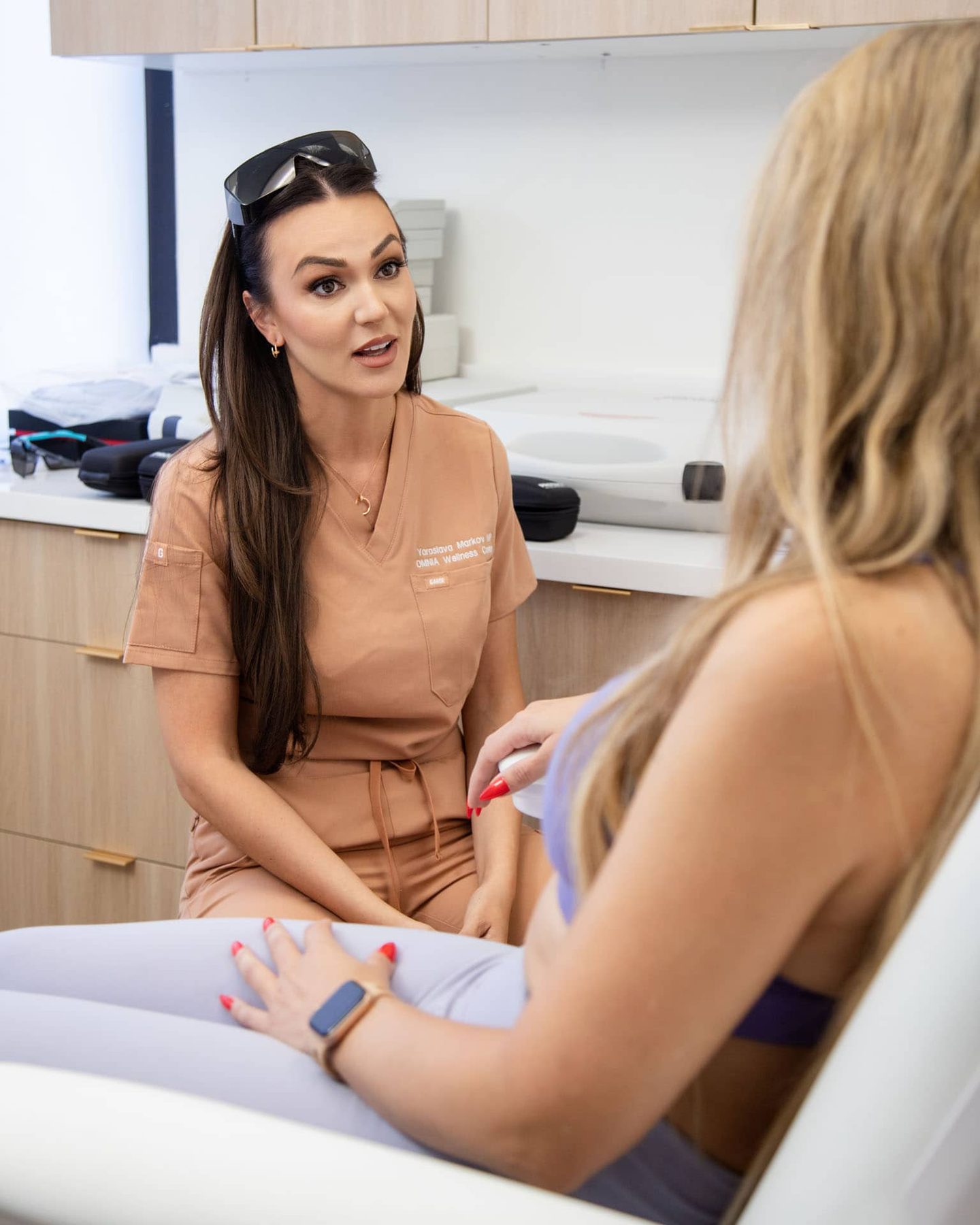
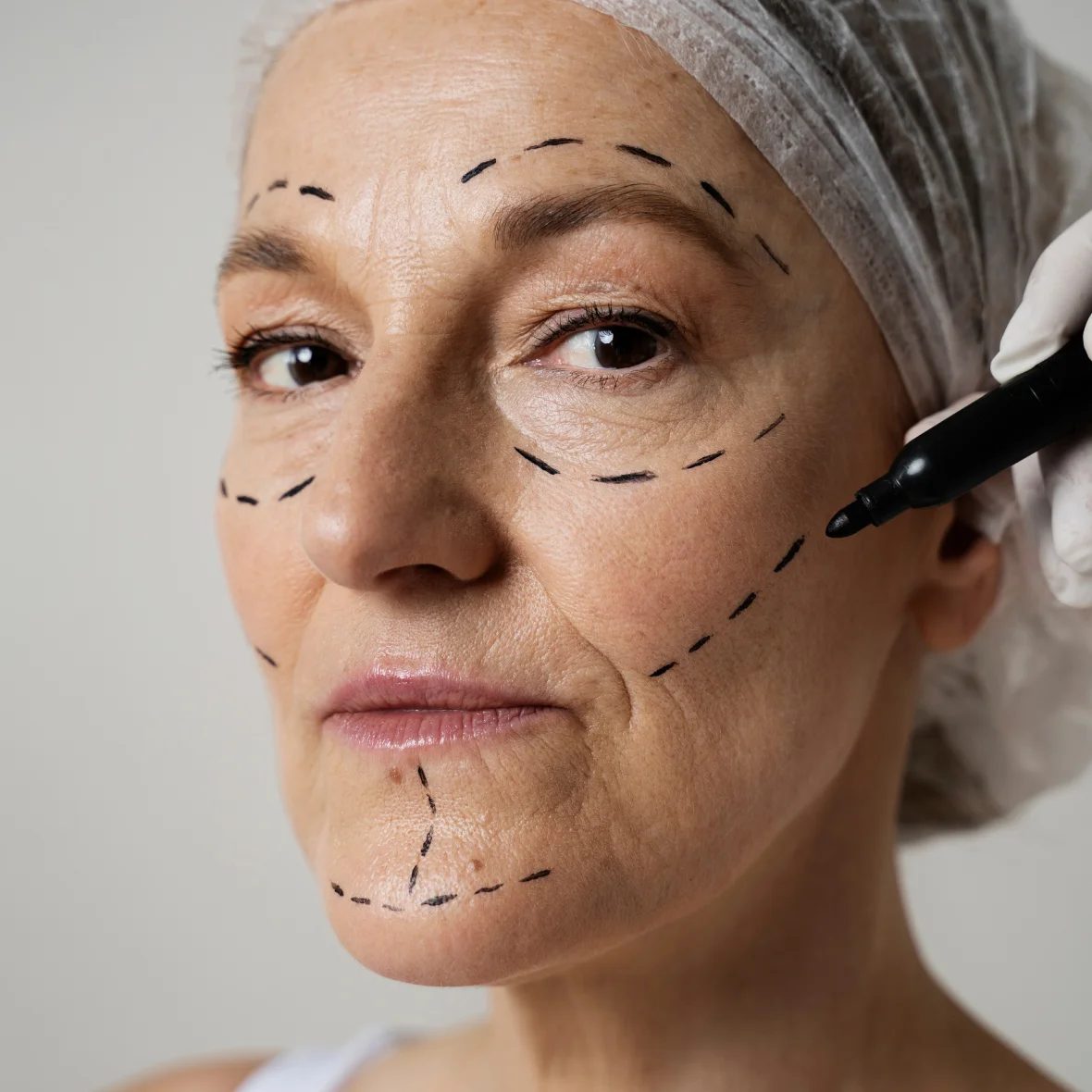
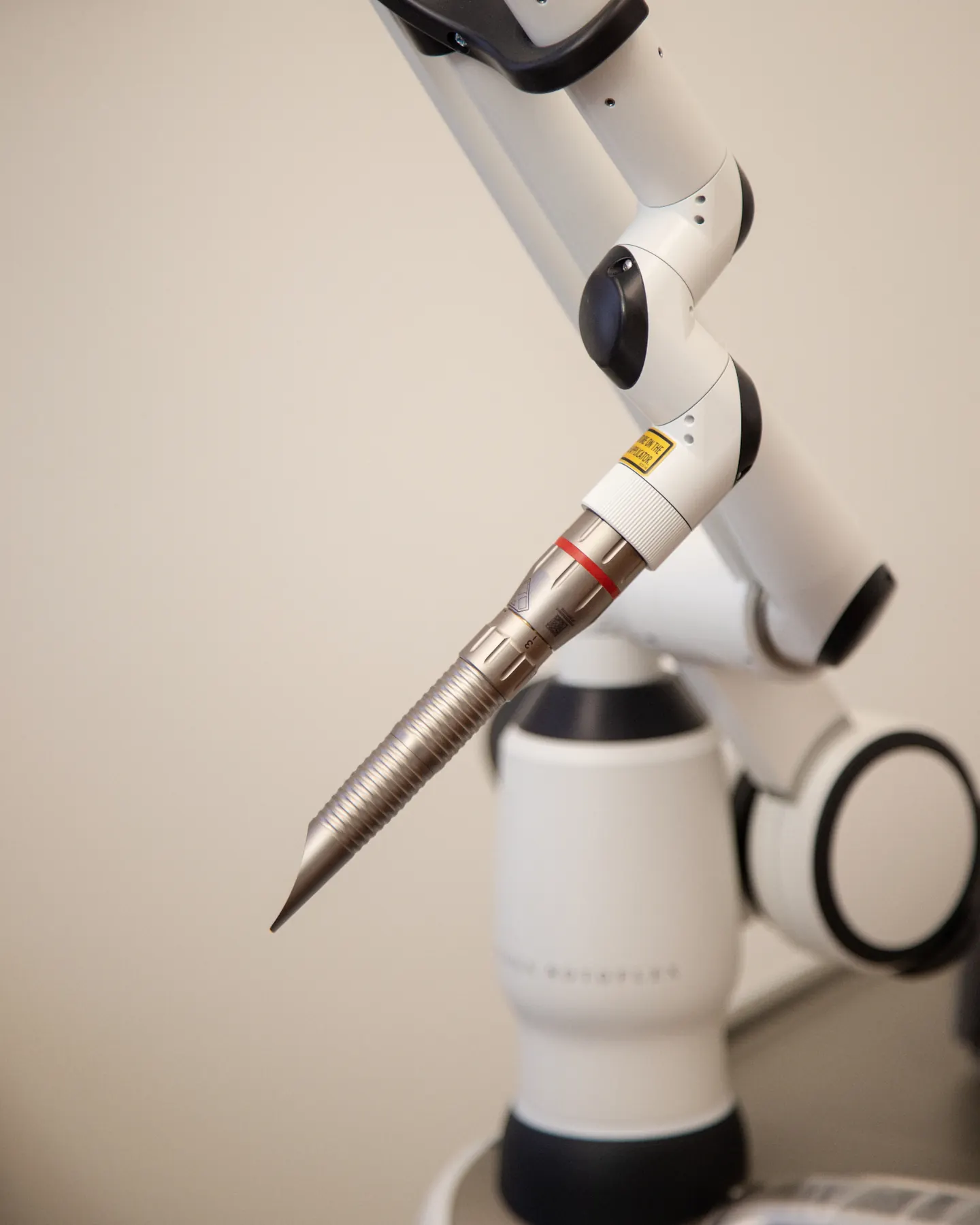
The short answer is usually no, at least not in the way most people think about downtime after a laser treatment. Most patients can return to work, errands, dinner plans, or school pickup the same day after a Fotona 4D Laser Facial (TimeWalker). That said, "no downtime" is one of those phrases that sounds cleaner in marketing than it does in real life.
What most people mean when they ask about downtime is this: Will I look treated? Will my skin feel uncomfortable? Will I need to hide at home for a few days? With the Fotona 4D Laser Facial (TimeWalker), the answer tends to be mild redness, warmth, and a temporary tight or dry feeling rather than peeling, crusting, or obvious recovery. But the exact answer depends on how aggressively the treatment is performed, what your skin is like to begin with, and how quickly you tend to flush or swell.
I have found that patients are happiest when this is explained honestly. If someone expects to leave looking untouched, even a few hours of redness can feel like a surprise. If they expect a week of recovery and instead only look a bit flushed, they are thrilled.
What "downtime" actually looks like with this treatment
Fotona 4D is often described as a multi step laser rejuvenation treatment that targets the skin from different angles, including inside the mouth and across the outer face. Depending on the platform and protocol used, the treatment may combine deeper heating, fractional effects, superficial polishing, and intraoral tightening. The appeal is that it can address texture, laxity, fine lines, and overall brightness without the kind of recovery many people associate with Fotona 4D Laser Facial (TimeWalker) more aggressive resurfacing.
In practical terms, the downtime is usually social rather than medical. You are not typically bedridden, bandaged, or unable to function. What you may notice is that your skin looks pink to red for several hours, sometimes into the next day. If you are very fair or reactive, that redness can linger a bit longer. Swelling, if it happens, is usually mild and tends to show around the eyes or cheeks. The skin can feel warm, similar to a long day in the sun, and that warmth often settles by the evening.
Texture changes are another part of the conversation. Some people feel slightly rough or dry for a day or two afterward, especially if a more superficial finishing pass was used. This is not always visible to others, but you may notice it when washing your face or applying moisturizer. Makeup often goes back on quickly, though some patients prefer to wait until the next morning if their skin feels heated or tender.
This is why many clinics call it a lunchtime treatment. That description is not entirely wrong, but it should come with context. You may be able to go back to work right away, yet you may not want a close up photo taken under bright office lighting two hours later.
Why one person's experience can be so different from another's
The Fotona 4D Laser Facial (TimeWalker) biggest reason for mixed stories online is that the label "Fotona 4D" covers a range of treatment styles. One provider may use conservative settings aimed at glow, collagen stimulation, and little to no visible aftermath. Another may push harder to chase more dramatic tightening or textural change, and the skin will naturally react more.
Your baseline skin matters too. A person with calm, resilient skin may be pink for an hour and done. Someone with rosacea, very fair skin, active sensitivity, eczema history, or a tendency to swell can look red longer even when the treatment is performed appropriately. Acne prone patients sometimes experience temporary congestion afterward, not because the treatment is unsafe, but because heat, occlusive post care, or changes in routine can provoke breakouts.
There is also the issue of timing. A treatment done on a cool morning, followed by a quiet day indoors, can look very different from the same treatment done before a hot commute, gym session, glass of wine, or long sun exposure. Heat on top of heat tends to amplify redness. That does not mean something went wrong. It simply means the skin is reactive.
I have also seen expectations shaped by prior laser history. If someone has had fully ablative resurfacing or a stronger fractional treatment in the past, Fotona 4D often feels easy by comparison. If they have only had facials and light peels, even a modest flush may feel significant.
The usual recovery timeline
A typical recovery window goes something like this. Right after treatment, the skin is pink or red and feels warm. Some people describe a sensation similar to windburn. If the provider used settings that create a bit more surface response, the face can look mildly puffy, especially under the eyes. That initial flush usually settles over several hours.
By the next day, many patients look close to normal. Some still have lingering redness, particularly around the nose, cheeks, or jawline. A dry or tight sensation is common at this stage. If you wear makeup, this is the point when it may sit slightly differently, especially if there is subtle roughness on the surface.
Within two to three days, most of the visible evidence is gone. The skin often starts to look brighter and a bit more even. In a subset of patients, there can be a temporary sandpapery feel, like very fine roughness, before the skin smooths out. If a clinic combines Fotona 4D with additional treatments, that timeline can stretch. Pairing lasers with injectables, peels, or microneedling changes the equation.
It helps to think of downtime on a spectrum rather than as yes or no. On the low end, you are pink for an afternoon. In the middle, you look flushed into the next morning and feel dry for two days. On the higher end, usually after stronger settings or combination sessions, you may have redness and visible texture for several days. That is still far lighter than classic aggressive resurfacing, but it is not the same as leaving with no trace.
When "no downtime" is true, and when it isn't
For a healthy patient getting a moderate treatment from an experienced practitioner, no downtime is often a fair shorthand. They may leave the office a bit red, cool off on the drive home, and carry on with life. If their calendar is forgiving and they are not being filmed in high definition that evening, it is reasonable to treat this as a low downtime procedure.
Where the phrase becomes misleading is in a few common situations. One is event prep. If you are asking because you have a wedding, presentation, reunion, or professional headshots, "no downtime" is not enough guidance. For visible events, I generally think in terms of buffer days, not just office recovery. Even if the skin is technically fine by the next day, some people still look dry, a little puffy, or not quite camera ready.
Another is sensitive skin. If you flush easily, react to actives, or have inflammatory skin conditions, you should assume your version of no downtime may still involve a day or two of visible redness. That is not a reason to avoid the treatment, only a reason to plan sensibly.
The third is aggressive treatment goals. A patient who wants meaningful tightening and texture improvement often needs stronger settings or a series of sessions. With more energy comes more response. The skin has to register the treatment for the treatment to do something. That does not always mean real peeling or hiding at home, but it may mean a more noticeable recovery than glossy before and after marketing implies.
How the TimeWalker approach affects recovery
The TimeWalker name is often associated with a customized, multi dimensional treatment approach rather than a single one note laser pass. That is part of its appeal. It allows the provider to tailor the session to concerns like early laxity, dullness, fine lines around the mouth, and uneven texture. Customization is good for outcomes, but it also means your downtime depends on what was actually done.
The intraoral component, when included, tends to matter less for visible downtime because it works from inside the mouth. Patients may feel some tightness or odd sensitivity there afterward, but it usually does not create the kind of external redness that affects social recovery. External passes, especially those aimed at textural refinement or superficial resurfacing, are more likely to show on the face.
That distinction matters when someone says, "My friend had this and went straight to dinner." They may have had a gentler treatment mix. Or their skin simply handles heat exceptionally well. Comparing downtime between patients is useful only up to a point.
What you can realistically plan after your appointment
If your schedule is packed, it is smart to book with the assumption that you will want the remainder of the day low key. Most patients can work after treatment, especially if they are in a casual environment or remote. If you are in a public facing role, a courtroom, on camera, or at a formal event, a small buffer is worth it.
I usually suggest thinking about your social calendar in tiers. If you only need to function, same day is often fine. If you need to look polished in person, the next day is usually safer. If you need to look flawless under close scrutiny, allow several days. It sounds conservative, but it prevents the common mistake of squeezing a laser session in right before a major occasion because someone read the words "no downtime" on a website.
Exercise is another practical point. Heat, sweating, and increased blood flow can intensify redness after laser treatments. Many clinics recommend taking the rest of the day off from strenuous workouts. That advice is less about danger and more about comfort and appearance. The same goes for hot yoga, saunas, steam rooms, and very hot showers. They tend to bring the flush right back.
The trade off between gentleness and results
There is an honest tension in aesthetic medicine that does not get discussed enough. Patients want visible improvement and no recovery. Sometimes that is possible. Often there is a trade off.
A very conservative Fotona 4D Laser Facial (TimeWalker) session may have almost no downtime, but the results may also be subtle and cumulative. That can be perfect for maintenance, first timers, and people who prioritize convenience. On the other hand, if someone is trying to tackle etched lines, early jowling, or textural changes that have built up over years, stronger sessions or repeated treatments may be necessary. Recovery is still generally manageable, but it may be more noticeable.
This is not a flaw of the treatment. It is simply the biology of skin remodeling. Collagen stimulation and tissue tightening are not magic tricks. They require enough energy to trigger change, balanced against safety and your ability to recover comfortably.
A good practitioner talks about this plainly. If a consultation promises dramatic lifting, pore reduction, and resurfacing with absolutely no redness, no dryness, and no social compromise for any patient, I would be cautious. Real skin is more variable than that.
Aftercare can shorten or lengthen your visible recovery
Downtime is not only determined by the treatment itself. Aftercare matters, and small mistakes can stretch out redness or irritation.
The first principle is to calm the skin, not challenge it. Right after treatment, most patients do best with a bland moisturizer, gentle cleansing, and sun protection. This is not the moment for retinoids, exfoliating acids, abrasive scrubs, or trying a new brightening serum because you feel inspired to optimize your results. Overdoing post care is a common reason mild redness turns into a two day irritation story.
The second principle is to protect from heat and sun. Even a quick blast of midday sun on freshly treated skin can make it angrier than it needs to be. That does not mean living in the dark, only being sensible. A hat, shade, and a reliable sunscreen do more than most complicated routines.
The third principle is to let temporary texture settle on its own. If the skin feels rough or a little dry, many people want to scrub it smooth. That usually backfires. Gentle cleansing and moisturizer are enough in most cases.
Here are the post treatment mistakes I see most often:
- Going straight to a hard workout or sauna
- Restarting retinoids or acids too quickly
- Wearing irritating makeup on very warm skin
- Picking at rough texture or over exfoliating
- Underestimating sun exposure the next day
Patients who avoid those pitfalls often recover faster and more comfortably, even when the treatment itself was fairly robust.
Who may have more downtime than average
Most healthy adults tolerate the treatment well, but there are groups who should plan more cautiously. Patients with rosacea or a strong tendency to flush often stay red longer. Those with very sensitive skin can experience more stinging or dryness afterward. People prone to post inflammatory hyperpigmentation should have a thoughtful discussion about settings, skin preparation, and sun behavior, especially in darker skin tones where inflammation can leave lingering discoloration if not managed carefully.
Acne deserves its own mention. Active inflammatory acne does not automatically rule out treatment, but if the skin barrier is already irritated, recovery can feel rougher. A patient may also confuse a temporary heat related flare or purging of congestion with true downtime. This is where provider selection matters. The best treatment plan is not always the most aggressive one available.
Cold sore history is another practical detail if the mouth area is treated. Laser energy around the lips can sometimes trigger a flare in susceptible patients, so clinics may discuss preventive medication. That is not typical "downtime," but it certainly affects recovery planning.
Questions worth asking before you book
A useful consultation is specific. Instead of asking, "Is there downtime?" Ask what your skin will likely look like at four hours, twenty four hours, and seventy two hours. Ask whether the session is aimed at maintenance or more intensive correction. Ask if there is a superficial resurfacing component and whether makeup can be worn the same day or the next day. Ask what the clinic tells patients to avoid that evening and whether any social or exercise restrictions apply.
One question I especially like is, "If I had an event in three days, would you still do this treatment the same way?" An experienced provider will answer that carefully, not casually. Sometimes the best plan is a lighter session, a different treatment, or simply moving the appointment.
So, should you expect downtime?
For most patients, expect some visible response, just not major downtime. That means redness, warmth, and a bit of dryness are normal. It usually does not mean peeling sheets of skin, days off work, or the need to disappear from public view. If your skin is resilient and the treatment is moderate, you may feel comfortable resuming normal activities quickly. If you are reactive, have a big event, or are pursuing stronger results, build in a cushion.
That is the most accurate way to think about the Fotona 4D Laser Facial (TimeWalker). It sits in a useful middle ground. More active than a relaxing facial, much easier than heavy resurfacing, and variable enough that the details matter. The phrase no downtime is often directionally true, but it is not the whole story. The whole story is that downtime is usually light, occasionally noticeable, and heavily influenced by technique, skin type, and what you need your face to look like the next day.
If you plan around that reality rather than the slogan, you are much more likely to be happy with both the treatment and the recovery.
OMNIA Wellness Center
Address: 16430 Ventura Blvd Ste 207, Encino, CA 91436
Phone: (818) 386-8511
FAQ About Fotona 4D Laser Facial (TimeWalker)
What are the benefits of Fotona laser treatment?
OMNIA offers this treatment for concerns such as uneven texture, dull tone, and fine lines. Results and the number of sessions vary, so discuss your goals with a provider.
Is Fotona laser safe?
A qualified provider should review your skin, medical history, medications, and recent sun exposure to determine whether the treatment is appropriate. Ask about possible irritation, pigment changes, and aftercare before booking.
How much does a Fotona 4D facelift cost?
Price depends on the treatment plan and number of visits. Ask OMNIA for an itemized estimate during your consultation.