Fotona 4D Laser Facial (TimeWalker) for Gentle Yet Effective Renewal
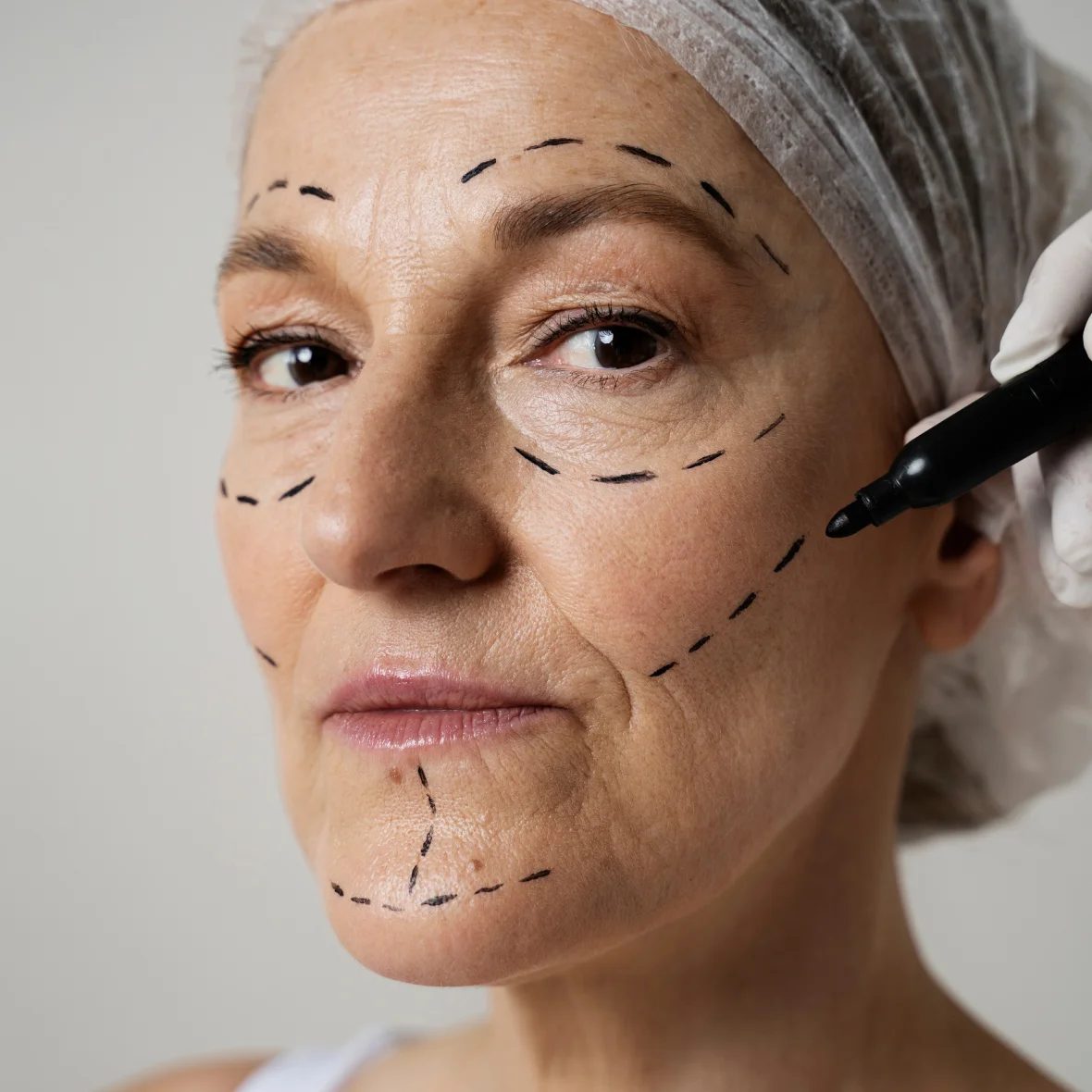
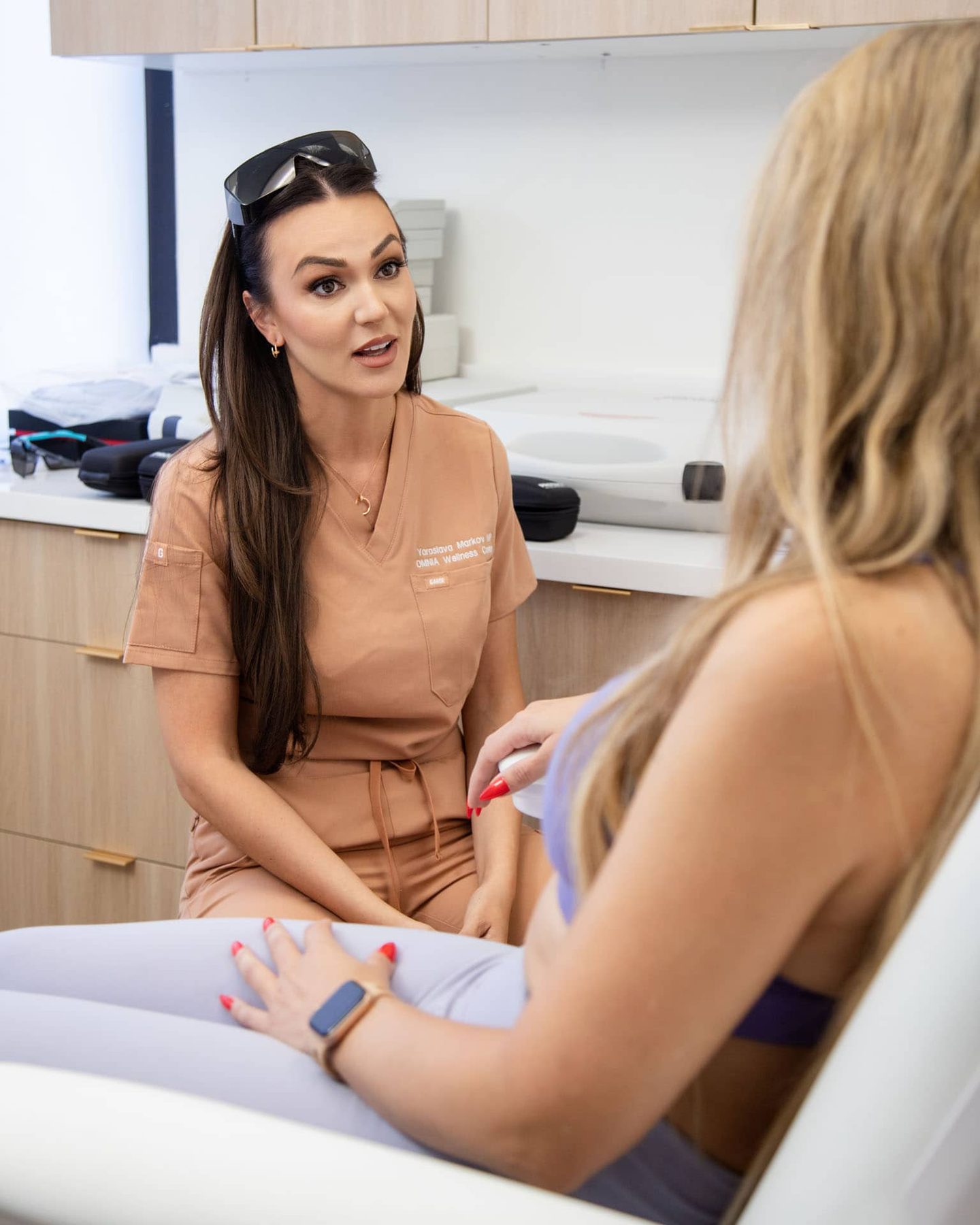
The appeal of non-surgical skin rejuvenation has changed over the last several years. Patients still want visible improvement, but many no longer want the social downtime, swelling, or uncertainty that can come with more aggressive resurfacing. That shift is one reason the Fotona 4D Laser Facial (TimeWalker) has gained attention in reputable aesthetic practices. It sits in a useful middle ground. The treatment is more active than a basic hydrating facial, yet generally gentler and more versatile than older ablative laser approaches.
What makes it interesting is not just the branding. Fotona 4D refers to a multi-step laser protocol that treats Fotona 4D Laser Facial (TimeWalker) omniawellnesscenterencino.com the skin from several angles, including both the inside of the mouth and the outer surface of the face. The goal is not a dramatic overnight transformation. It is progressive renewal, better texture, firmer support, and a fresher look that still reads as your face.
For the right patient, that balance can be exactly the point.
Why this treatment stands out
A lot of devices promise collagen stimulation. That phrase gets used so often that it has become almost background noise. In practice, what matters is how energy is delivered, where it is delivered, and whether the treatment plan matches the patient in front of you. The Fotona 4D Laser Facial (TimeWalker) tends to stand out because it layers different modes in a single session. Instead of relying on one type of heat pattern or one depth of treatment, it combines several complementary steps.
The result is a treatment that can address early laxity, rough texture, mild crepiness, enlarged pores, and a general tired look without trying to force one setting to do every job. In clinic, that usually translates into better customization. A patient in their thirties with early volume descent and textural dullness will not need the same emphasis as someone in their fifties who is more concerned with perioral lines, cheek laxity, and lower face softening.
There is also a practical advantage. Because the treatment can be calibrated across energy levels and passes, experienced providers can lean conservative for first-time laser patients or increase intensity over a series once they understand how the skin responds. That flexibility matters far more than glossy before-and-after marketing.
What “4D” actually means in real treatment terms
The four dimensions in Fotona 4D are not just a catchy phrase. They refer to four distinct treatment modes that work on different layers and concerns. Device settings vary by provider, skin type, and treatment plan, but the basic structure typically includes intraoral tightening, fractional treatment, deeper bulk heating, and superficial polishing.
The intraoral step is often the one patients find most surprising. A smooth handpiece is used inside the mouth, usually along the cheeks and around the lip area, to heat tissue from within. It sounds unusual until you think about facial anatomy. Supporting tissue around the mouth and lower midface can be difficult to target externally without causing more visible surface downtime. Heating from the inside can improve support in that region while keeping the outer skin relatively calm.
Then come the external passes, which address deeper dermal heating and more superficial surface refinement. One step focuses on tightening and collagen remodeling at depth. Another may use a fractional approach to improve texture, pores, and fine lines. The final pass often gives the skin a polished, refreshed quality, sometimes described by patients as looking more awake or less “flat.”
In experienced hands, those layers create a cumulative effect. The skin can feel a bit tighter immediately from tissue contraction and mild edema, but the more meaningful changes usually unfold over several weeks as collagen remodeling develops.
Who tends to benefit most
This treatment often suits patients who are bothered by early to moderate signs of aging but are not ready for surgery and do not want significant recovery time. That includes people with mild cheek laxity, softening around the jawline, etched lines around the mouth, or a rougher surface texture that makeup no longer sits on well.
It can also appeal to younger patients who are less focused on correcting damage and more interested in maintaining firmness and skin quality before laxity becomes pronounced. In that group, the treatment is often used strategically rather than reactively. A series may help preserve bounce and clarity, especially when paired with disciplined sun protection and a sensible skincare routine.
The treatment is not limited to one age bracket. What matters more is the type of concern and the patient’s expectations. Someone with heavy jowling, marked neck laxity, or substantial skin redundancy may appreciate some improvement, but should not be led to expect a surgical result. That is where honest consultation matters. The best aesthetic outcomes usually begin with the sentence, “Here is what this can do, and here is what it cannot.”
The look and feel of a session
A typical appointment starts with photographs, skin assessment, and a review of recent skincare use. This is not a minor detail. Patients who have been using strong retinoids, exfoliating acids, or at-home devices often need guidance before treatment, because an over-sensitized barrier is more likely to react.
During the procedure, most people describe the feeling as warm with intermittent prickling or snapping, depending on the mode being used. The intraoral step can feel odd, but it is usually tolerable. Providers may use topical anesthetic for some parts of the treatment, though not every clinic does so routinely. The exact experience depends on intensity, skin sensitivity, and whether the session is focused more on tightening or on texture correction.
A point patients often appreciate is that they can usually leave the office looking pink rather than truly “done.” Mild redness and warmth are common. Swelling may occur, especially around the mouth or under the eyes, but it is generally manageable. Some people look presentable the same day. Others prefer a day or two before social plans, particularly after a stronger session.
That distinction is worth stressing. “No downtime” is a phrase that gets thrown around too casually in aesthetics. Most energy-based treatments have some degree of downtime if you define downtime honestly as visible signs that something has been done. With the Fotona 4D Laser Facial (TimeWalker), the downtime is often light, but it is not always nonexistent.
What results usually look like
The best outcomes tend to be believable rather than dramatic. Skin may look smoother, a little tighter, and more luminous. Fine lines, especially around the mouth and cheeks, can soften. Pores may appear less obvious. Some patients notice that their face looks less heavy in the lower half, even without a major change in volume. Others say makeup applies better, or that they look more rested in photographs.
Those are not throwaway details. In real life, aesthetic success often shows up in the small things. A patient who no longer sees lipstick bleeding into fine lines, or who notices that foundation no longer catches on dry roughness around the nose and chin, is often happier than someone chasing a dramatic but unnatural result.
Results are not identical across all faces. Thicker, oilier skin may respond differently from thinner, drier skin. Smokers, heavy sun worshippers, and people with poor sleep, chronic stress, or inconsistent aftercare may not get the same quality of response. Skin is living tissue, not a static canvas, and treatment outcomes always sit within that broader context.
The timeline patients should expect
One of the most common misunderstandings around laser rejuvenation is timing. Many people want to know what they will look like tomorrow, next weekend, or before an upcoming event. Those questions are fair, but they need realistic answers.
Immediate post-treatment changes often come from transient swelling and tissue contraction. The more durable improvement develops later. In most cases, you can think of the process in stages:
- In the first few days, skin may look pink, mildly puffy, and a bit more glowy.
- Over one to three weeks, the skin often settles and starts to look smoother and fresher.
- Over one to three months, collagen remodeling becomes more apparent, especially in texture and subtle firmness.
- A series of treatments, often spaced several weeks apart, tends to outperform a single session.
That progression is why many experienced clinicians recommend this treatment as part of a plan rather than as a one-off rescue. A single well-done session can help. A thoughtfully Fotona 4D Laser Facial (TimeWalker) timed series usually helps more.
Where it fits compared with other options
Patients often compare Fotona 4D with microneedling RF, IPL, traditional fractional lasers, HIFU, or injectable treatments. Those comparisons are useful, but only if they are made honestly.
Injectables such as neuromodulators and filler work through entirely different mechanisms. They relax muscle or restore volume. They do not improve skin quality in the same way a laser can. A patient with lip lines caused partly by repetitive pursing may get a better result from combining modalities rather than trying to make one treatment carry the whole burden.
Compared with stronger ablative resurfacing, Fotona 4D is generally easier to recover from, but the trade-off is usually a gentler endpoint. If someone has significant sun damage, deep etched lines, or acne scarring, a more aggressive resurfacing approach may produce more dramatic texture change, assuming they are a good candidate and willing to accept the downtime.
Compared with light-based treatments like IPL, Fotona 4D is often more focused on tightening and collagen remodeling than on pigment and redness. If brown spots and broken capillaries are the main complaint, another device may deserve the first slot in the plan.
This is where clinical judgment matters more than brand recognition. A treatment can be excellent and still not be the best first move for a particular face.
Safety, skin types, and why provider experience matters
The treatment profile of Fotona devices is generally favorable when performed by trained clinicians, but “safe” is not the same as “foolproof.” Skin type, recent sun exposure, active inflammation, medication use, and treatment settings all matter.
Darker skin tones deserve especially careful evaluation with any energy-based treatment. That does not mean darker skin cannot be treated. It means the provider should understand how to adjust settings, assess risk, and select patients appropriately to reduce the chance of post-inflammatory hyperpigmentation or other unwanted reactions.
A few practical screening points tend to come up repeatedly in consultation:
- Recent tanning, self-tanner use, or significant sun exposure can complicate timing.
- Active cold sores, especially around the mouth, may require preventive antiviral medication.
- Irritated skin barriers from retinoids, acids, or overuse of exfoliants may need a reset before treatment.
- Pregnancy policies vary by clinic, but many providers defer elective laser procedures.
- A history of pigment problems, keloids, or unusual healing should be discussed in detail.
Good providers do not rush through those questions. They also do not treat every face the same way. The patient who wants to be back in meetings tomorrow should be managed differently from the patient who can tolerate a few days of visible redness in exchange for a stronger session.
The aftercare that makes a difference
Aftercare for this treatment is usually straightforward, but it matters more than people think. Skin that has been heated and stimulated needs calm conditions to recover well. The basics are not glamorous, but they work: gentle cleansing, bland moisturization, consistent sun protection, and restraint.
This is not the time to “speed healing” with a dozen active serums. Many patients get into trouble by layering vitamin C, acids, exfoliating pads, retinoids, and fragranced products too soon because they assume more skincare must mean better results. Freshly treated skin usually does best with less.
There is also a common behavioral issue that clinicians see often but patients rarely mention until asked. Many people touch, inspect, and overanalyze their skin in the mirror after treatment. They press at swelling, pick at flaking, or compare one side of the face with the other every hour. That habit does not help the skin, and it fuels anxiety over normal short-term changes.
Patients who do best tend to follow a simple routine, protect themselves from sun and heat, and give the treatment time to declare itself.
Cost, maintenance, and the value question
Pricing varies widely by market, provider expertise, and whether the session is a true four-step treatment or a lighter version. Geographic region plays a role, as does clinic positioning. In many areas, patients should expect the cost to sit above a standard facial and often in the same broader conversation as other mid-level energy treatments.
The more useful question is not whether it is cheap or expensive. It is whether the treatment gives the kind of improvement the patient values. Someone who wants brighter skin before an event may not need this level of intervention. Someone trying to gently tighten the lower face, refine the mouth area, and improve skin quality over time may find it worthwhile, particularly if they are trying to avoid more invasive options for now.
Maintenance also deserves a frank discussion. Collagen stimulation is not permanent in the face of time, sun, movement, and lifestyle. Most patients who like their result will need periodic upkeep. That is not a flaw in the treatment. It is simply the nature of skin aging and non-surgical care.
Common misconceptions
One misconception is that all laser facials are basically the same. They are not. The term “laser facial” can mean anything from a mild lunch-break treatment to meaningful resurfacing. The device, wavelength, pulse pattern, treatment depth, and operator skill all influence the outcome.
Another misconception is that discomfort predicts results. It does not, at least not in a simple way. A more painful treatment is not automatically a better one. Some of the most elegant results in aesthetics come from treatments that are carefully dosed rather than aggressively pushed.
There is also a persistent belief that if a treatment has little downtime, it must have little effect. That is too simplistic. While larger changes often require larger trade-offs, smart technology and layered treatment design can produce worthwhile improvement with relatively modest recovery, particularly for patients with mild to moderate concerns.
When I would steer a patient elsewhere
The strongest sign of a trustworthy consultation is sometimes hearing that a treatment is not the best fit. If a patient has deep static wrinkles from advanced photodamage, severe acne scars, or substantial sagging, I would rather see them offered a better-matched option than oversold on subtle tightening.
Likewise, if pigment and vascular redness are the dominant issue, there may be more direct tools. If volume loss is making the face look hollow or tired, replacing structural support may achieve more than heating the skin alone. And if a patient’s expectations are clearly in facelift territory, no non-surgical laser should be positioned as a substitute.
That kind of honesty protects the patient and the reputation of the treatment. The Fotona 4D Laser Facial (TimeWalker) performs best when used for what it is designed to do, gentle yet effective renewal with measurable but natural-looking improvement.
The real strength of Fotona 4D
The real strength of this treatment is not that it can do everything. It cannot. Its strength is that it can do several things well at once, with a recovery profile many patients can accept. It can tighten a little, smooth a little, brighten a little, and refine a little, all in one coordinated session. In aesthetic medicine, that kind of layered subtlety often ages better than dramatic overcorrection.
For patients who want their skin to look healthier, firmer, and more polished without stepping into heavy downtime or surgery, the treatment earns its place. When well selected, well performed, and paired with realistic expectations, the Fotona 4D Laser Facial (TimeWalker) offers something many people are actually looking for: improvement that feels visible, but still believable.
OMNIA Wellness Center
Address: 16430 Ventura Blvd Ste 207, Encino, CA 91436
Phone: (818) 386-8511
FAQ About Fotona 4D Laser Facial (TimeWalker)
What are the benefits of Fotona laser treatment?
OMNIA offers this treatment for concerns such as uneven texture, dull tone, and fine lines. Results and the number of sessions vary, so discuss your goals with a provider.
Is Fotona laser safe?
A qualified provider should review your skin, medical history, medications, and recent sun exposure to determine whether the treatment is appropriate. Ask about possible irritation, pigment changes, and aftercare before booking.
How much does a Fotona 4D facelift cost?
Price depends on the treatment plan and number of visits. Ask OMNIA for an itemized estimate during your consultation.